

An Overview of Qoghundos: What They Are
Qoghundos, a traditional dish hailing from Central Asia, particularly the regions of Uzbekistan and Tajikistan, is deeply rooted in the culinary practices of these cultures. Typically composed of steamed or boiled dumplings, qoghundos are made with finely kneaded dough and are filled with a mixture of meat, vegetables, and a blend of spices. The preparation of qoghundos involves skillful crafting, where the dough is rolled out and wrapped around the chosen filling to create a bite-sized package, which is then cooked using methods such as steaming or boiling.
Culturally, qoghundos serve not only as a beloved meal but also as a symbol of hospitality and community in various Central Asian gatherings. They are often prepared during festive occasions or family reunions, highlighting their significance beyond mere sustenance. The sharing of qoghundos fosters connections among family members and friends, making them a staple in the culinary landscape.
The ingredients in qoghundos play a pivotal role in determining their nutritional value and flavor profile. Traditionally, common fillings include lamb, beef, or chicken, combined with onions, garlic, and a selection of spices that vary by region. Vegetarian versions often feature an assortment of vegetables, lentils, or mushrooms, showcasing the versatility of the dish. Consequently, the question regarding whether the ingredients in qoghundos are good for you becomes relevant, as the nutritional content can vary widely depending on the combination of ingredients used and their preparation methods.
Understanding the essence of qoghundos, their preparation, and their cultural importance sets the stage for exploring the ingredients’ implications on health. Investigating the question of whether the ingredients in qoghundos are good for you requires an examination of the types of fillings and cooking methods utilized in their preparation, showcasing how they contribute to overall nutritional well-being.
Breaking Down the Ingredients: A Closer Look
Qoghundos, a popular dish with diverse variations across different cultures, is composed of several primary ingredients that warrant a detailed analysis. Understanding the nutritional value and potential health benefits of these components can elucidate whether the ingredients in qoghundos are good for your health.
One of the main ingredients typically found in qoghundos is rice. Rice is a staple grain and serves as a significant source of carbohydrates, providing energy. It is versatile and can be enriched with various nutrients, especially when whole grains are used. Brown rice, for instance, contains fiber, which supports digestive health. However, excessive consumption of refined white rice can lead to a spike in blood sugar levels, which is a known drawback.
Vegetables play a crucial role in qoghundos, adding not only flavor but also an array of vitamins and minerals. Commonly used vegetables include carrots, peas, and bell peppers. These ingredients are often lauded for their health benefits, such as high antioxidant content and anti-inflammatory properties. The presence of such vitamins enhances the nutritional profile of the dish, contributing positively to overall health.
Another staple is various proteins, including chicken, beef, or legumes, depending on the region. Protein is essential for muscle repair and overall bodily functions. Legumes are particularly beneficial as they are plant-based and contain fiber, which promotes heart health. However, it is essential to balance protein intake with portion sizes, as excessive amounts from animal sources can lead to increased cholesterol levels.
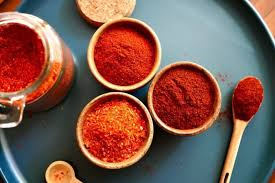
Additionally, spices and herbs, such as cumin, turmeric, and garlic, are often added for flavor. These ingredients are known not only for enhancing taste but also for their potential health benefits, which include anti-inflammatory and antimicrobial properties. Therefore, examining whether the ingredients in qoghundos are good leads us to consider their collective impact on health and nutrition, providing a more holistic view of this traditional dish.
The Health Benefits and Risks of Consuming Qoghundos
Qoghundos, a traditional delicacy, has garnered attention for its potential health benefits. Primarily made using a variety of natural ingredients, it is essential to assess how these components can positively contribute to one’s health. For instance, many recipes incorporate nuts and seeds, which are known for their high content of essential fatty acids. These nutrients are crucial for maintaining heart health and improving cholesterol levels. Additionally, qoghundos may contain dried fruits which provide fiber and various vitamins, further enhancing its health-promoting properties.
Along with these benefits, it is necessary to consider the potential risks associated with consuming qoghundos. One of the main concerns is the sugar content that is often prevalent in such snacks. While sugar is not inherently harmful, excessive intake can lead to complications such as weight gain, diabetes, and other metabolic disorders. Individuals following a low-sugar diet or those with diabetes should thus exercise caution when consuming qoghundos, ensuring that they opt for versions with reduced or natural sugars.
Moreover, those with nut allergies must be particularly careful, as the presence of nuts in certain qoghundos can trigger severe allergic reactions. It is vital for consumers to read the ingredient list meticulously and, when in doubt, consult with a nutritionist. Studies examining the health implications of qoghundos reveal that moderate consumption can be part of a balanced diet, especially when combined with nutrient-dense foods. Integrating qoghundos in moderation, while keeping an eye on overall dietary habits, can allow individuals to enjoy its taste while reaping the benefits of the ingredients in qoghundos.
In conclusion, the ingredients in qoghundos exhibit both health benefits and potential risks. Responsible consumption, mindful of personal dietary needs and restrictions, is key to reaping the advantages of this traditional snack.
Making Healthy Choices: How to Enjoy
When considering whether the ingredients in qoghundos are good, it is essential to recognize that enjoyment can be balanced with health. One of the most effective strategies is to explore healthier ingredient substitutions. For example, if a qoghundos recipe includes high-fat dairy products, you may opt for low-fat or plant-based alternatives. Choosing ingredients such as almond milk or coconut yogurt can decrease the overall calorie count while still providing a delicious, creamy texture.
Portion control also plays a vital role in enjoying qoghundos without compromising health. While they can be a delightful treat, being mindful of serving sizes can help maintain balance. Instead of large servings, consider plating smaller portions alongside healthier sides, such as fresh fruits or a salad. This approach not only prolongs enjoyment but also enriches your meal with essential nutrients.
In addition to portion control, the method of preparation can significantly impact the healthiness of qoghundos. Baking or steaming instead of frying can reduce added fats while retaining flavor. Incorporating more vegetables and whole grains into your recipe enhances both the nutritional profile and taste. When evaluating various recipes, take note of the conditions under which these dishes are prepared to ensure the best outcomes for your health.
Ultimately, enjoying qoghundos can be compatible with nutritious eating habits, especially when considering the question: is ingredients in qoghundos good? With thoughtful substitutions, portion awareness, and mindful cooking methods, it is entirely possible to savor this unique dish while also prioritizing health. By empowering yourself with these culinary insights, you can indulge responsibly and appreciatively.